





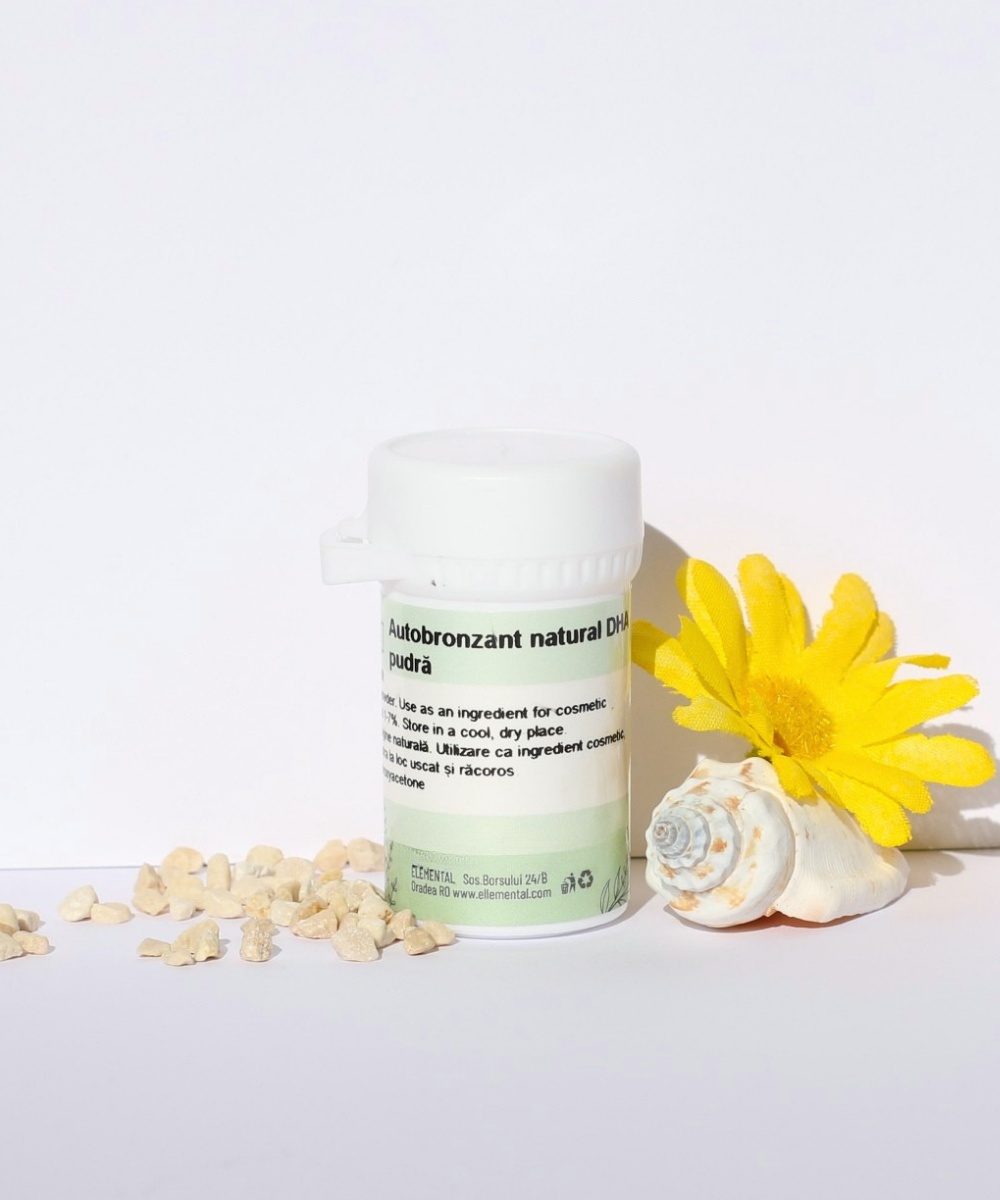
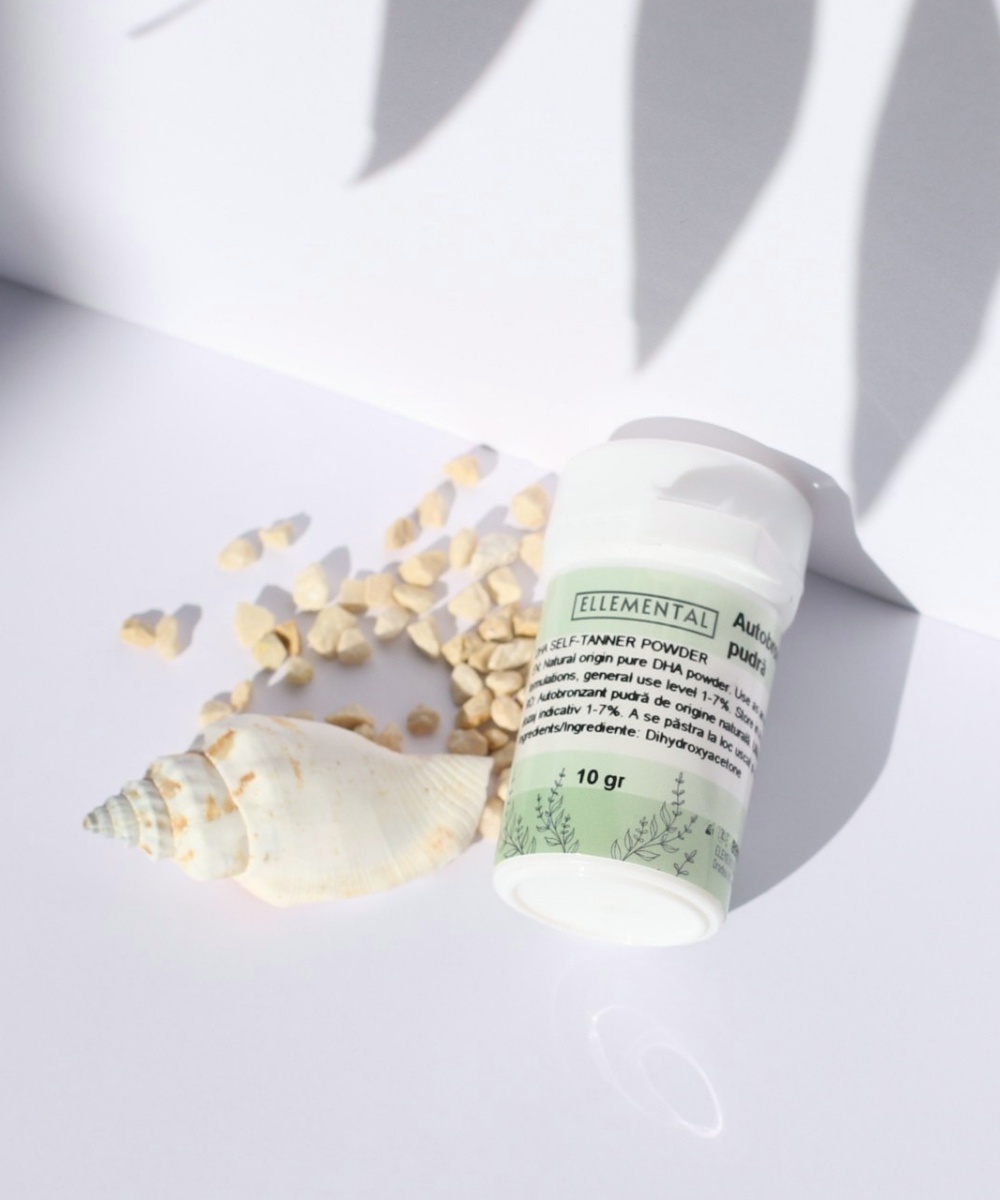
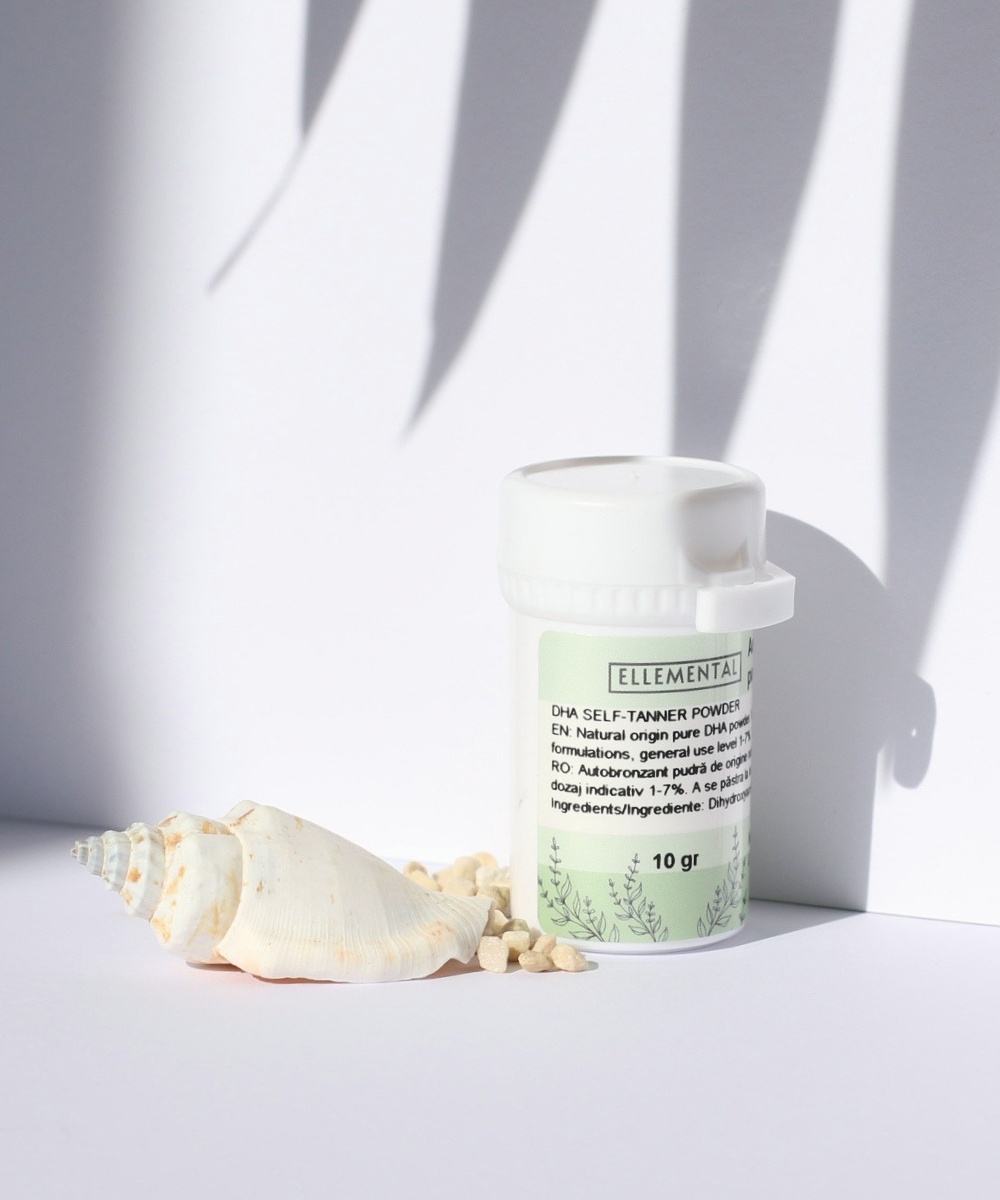
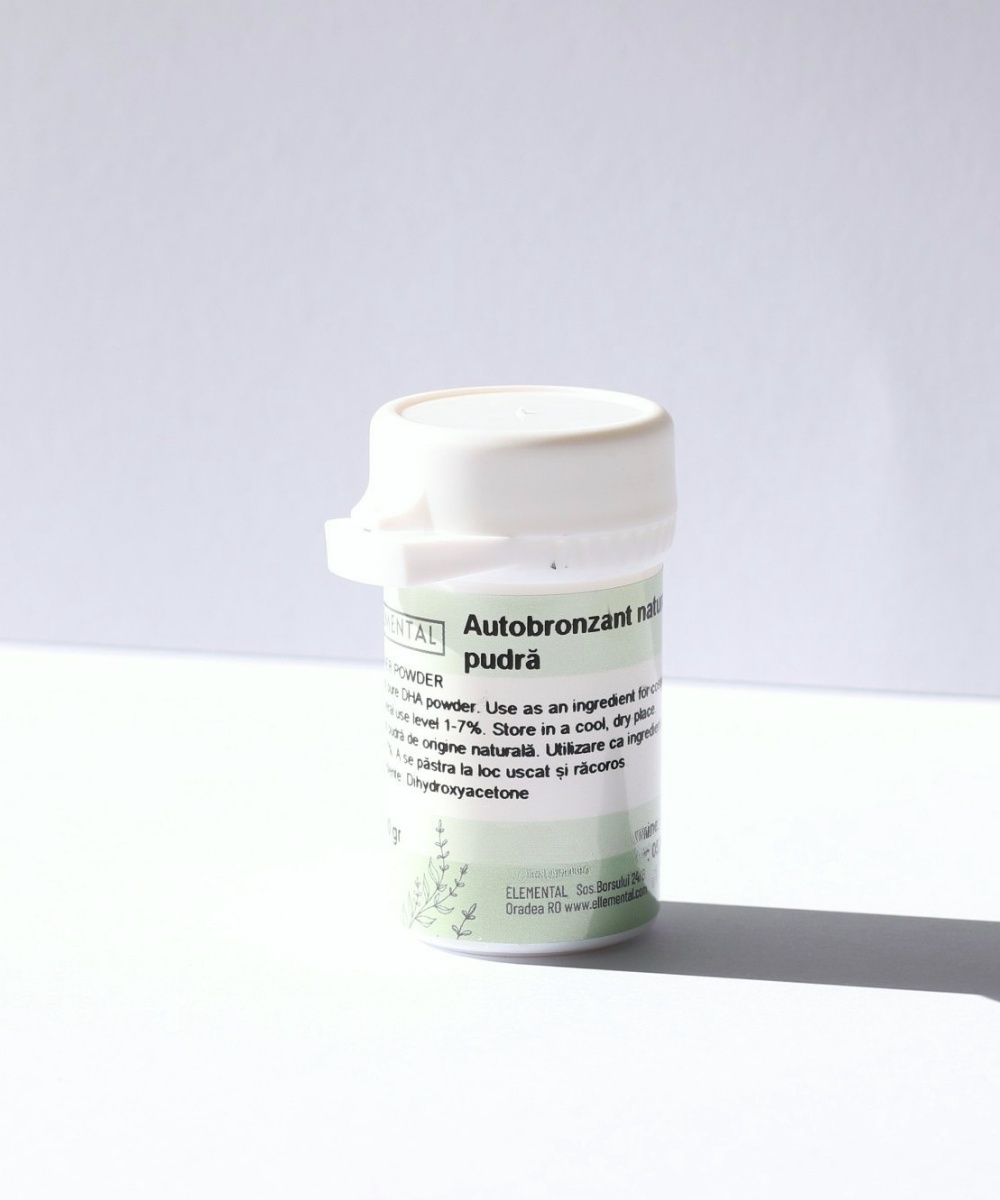
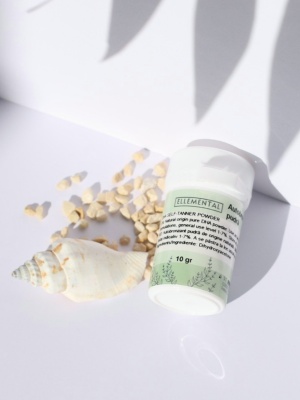
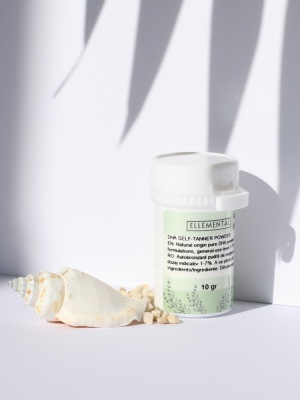
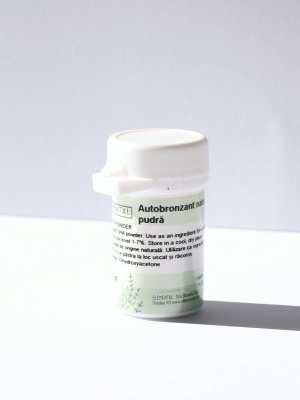
Natural DHA Self-Tanning Powder
Description
Natural DHA Self-Tanning Powder – Healthy, Copper Tan Without Sun Exposure
The natural DHA self-tanning powder is a premium active ingredient of 100% plant origin, COSMOS approved. It works through the well-known Maillard reaction: DHA reacts with the keratin in the epidermis, generating melanoidins. These are safe, natural pigments that give the skin a bronzed hue without the need for sun exposure. It is the ideal alternative for achieving a "sun-kissed" look right at home, while protecting the skin from cellular damage and photoaging caused by UV radiation.
Ingredients (INCI): Dihydroxyacetone
Technical Specifications
- Quality: COSMOS Approved at manufacturer, of natural origin, obtained by fermenting glycerin from sugar beets/sugar cane.
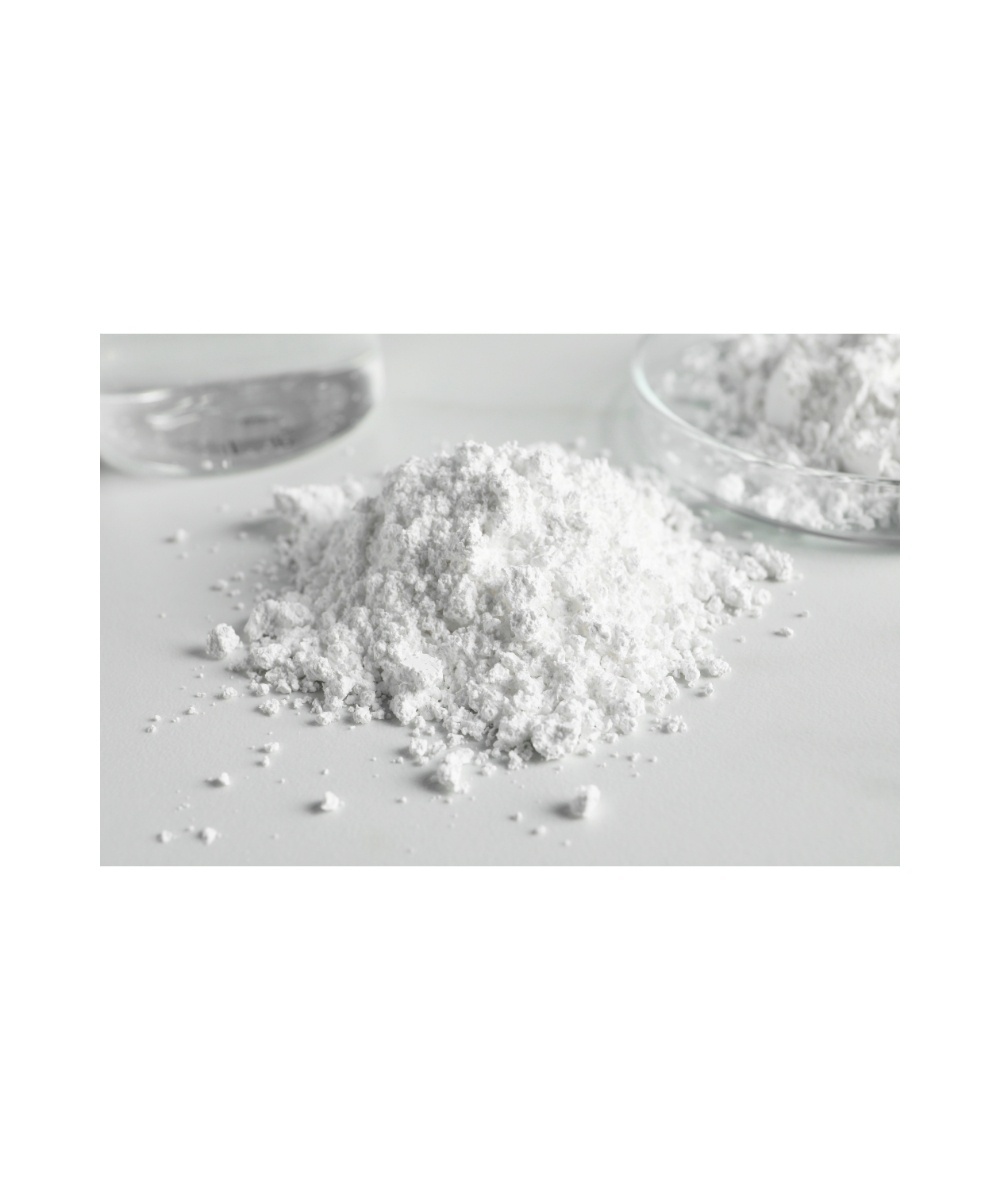
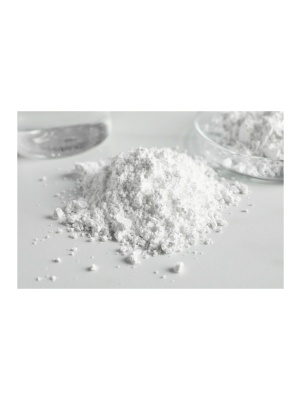
- Appearance: Fine, free-flowing crystalline powder, off-white color.
- Solubility: Completely water-soluble.
Studied Performance
The product’s efficacy and safety profile are validated by the manufacturer’s technical documentation and rigorous evaluations by the European Scientific Committee on Consumer Safety (SCCS)
- Long-Lasting Color: The resulting bronze shade is resistant to simple washing, swimming, or normal perspiration. The color remains on the skin for 5 to 7 days, fading gradually and evenly only as dead skin cells naturally shed.
- Validated Dermatological Safety: Advanced tests on 3D reconstructed human epidermal models indicated a cell viability of 93.33%, demonstrating that the powder is non-irritating to the eyes and skin, as well as non-sensitizing. The data also confirms the absence of any potential mutagens or toxins.
- Tanning Speed: The manufacturer’s tests indicate that the speed and intensity of tanning depend on the texture of the finished product
Key Features
- Sunless Tanning: Allows for a uniform and radiant tan on the body and face without exposure to the risks of UV rays.
- Cosmetic coverage: It is a valuable aid in visually evening out and covering hypopigmented spots and blemishes associated with conditions such as vitiligo.
- Indirect Protection: Prevents sunburn by eliminating the need to spend long hours at the beach or in a tanning bed.
Recommendations for Use
General Recommended Dosage: 1% – 7%
Applications
- Self-tanning creams, lotions, and body milks.
- Lightweight "Self-Tanning Water" products or self-tanning mousses.
- Serums and facial toners for an everyday "sunkissed glow".
Formulation Guide
DHA is a reactive and sensitive ingredient that requires adherence to specific technical conditions to prevent degradation or discoloration of the finished product:
- Procedure: Dissolve it previously in a small amount of water from the formulation and incorporate it into the final phase of preparation, at temperatures below 40°C.
- Choice of emulsifier: The manufacturer recommends using nonionic emulsifiers, as they significantly improve the long-term stability of DHA. It is recommended to avoid or minimize the use of anionic emulsifiers.
- It has a distinctive odor that may need to be masked with fragrance
- Optimal pH of the final formulation: 5.5–6.5
- Incompatibilities: AHA fruit acids, gluconolactone, zinc oxide, iron oxides (matte pigments), titanium dioxide, aloe vera, cocamidopropyl betaine, magnesium stearate, anionic emulsifiers, collagen, urea derivatives, amino acids, proteins, organic sunscreens containing amino groups in their structure. High percentages of ethanol may destabilize the formulation.
- Recommended Ellemental synergies:
- Combine with highly stable emollients such as Caprilis Oil, MCT Oil or Squalane for uniform penetration without risk of oxidation.
- Add classic Glycerin to the aqueous phase to increase the water retention of the stratum corneum.
- Use Allantoin or Panthenol in the aqueous phase to soothe and moisturize the skin before the tanning process.
Frequently Asked Questions (FAQ)
Does a DHA tan protect the skin from sunburn?
No. A tan obtained through the application of DHA does not contain real melanin and does not act as a UV filter. It is absolutely essential to apply a cream with adequate SPF when exposed to the sun to prevent sunburn.
Why does the color fade after a week?
Because the Maillard reaction occurs strictly in the outermost layer, composed of dead skin cells (stratum corneum). As part of the natural and continuous process of epidermal exfoliation, the formed pigments are eliminated, and the color fades on its own.
Safety in Use and Storage
Profile: Cosmetic powder product, slightly hygroscopic, and biodegradable.
Precautions: For cosmetic use only. Avoid inhaling the powder during handling. Do not apply to areas of skin with open wounds, eczema, or severe irritation.
Storage: Store in a cool, dry place, preferably in the refrigerator. Before opening the container for use, allow it to gradually reach room temperature; opening it while cold will instantly attract moisture from the air through condensation, leading to rapid degradation of the powder.
Détails
Avis
Rédigez un avis et gagnez des points de fidélité d'une valeur de 0,40 €.